


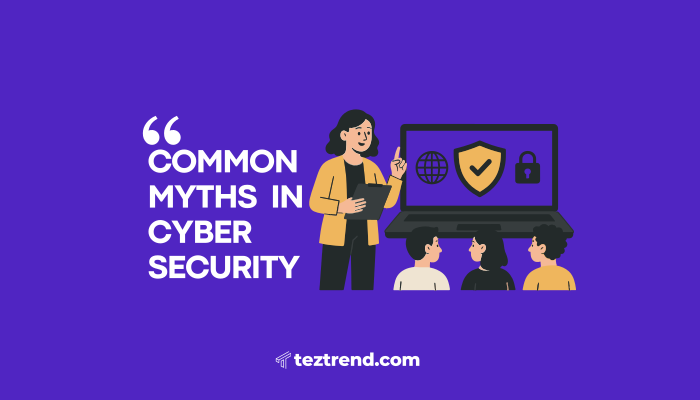
Cybersecurity sounds complicated. For many people, the word itself feels technical, distant, and meant for IT professionals. However, the truth is much simpler. Cybersecurity is not just about advanced software or complex coding — it is about everyday habits and awareness.
Despite hearing about data breaches and online scams regularly, most people still misunderstand how cybersecurity actually works. As a result, they either ignore it completely or rely on weak protection methods.
Let’s clear up the confusion.

1. “Hackers Only Target Big Companies”
This belief is extremely common. Many individuals assume cybercriminals are interested only in banks, corporations, or celebrities. Therefore, they feel safe using weak passwords or unsecured networks.
In reality, attackers often prefer easier targets. Automated tools scan the internet continuously, looking for vulnerabilities. Small websites, students, freelancers, and regular users frequently become victims because their defenses are weaker.
In other words, being “small” does not make you invisible. It often makes you easier to attack.
2. “I Have Antivirus, So I’m Safe”
Installing antivirus software feels reassuring. While antivirus programs are helpful, they do not provide complete protection.
For example, antivirus cannot stop you from clicking a fake email link. It cannot prevent you from sharing personal information on a phishing website. Moreover, modern cyber threats constantly evolve, which means no single tool can block everything.


True cybersecurity works in layers. Antivirus is one layer. Strong passwords, software updates, and cautious behavior are equally important.
3. “My Password Is Strong Enough”
A complicated password with symbols and numbers is a good start. However, problems arise when the same password is reused across multiple accounts.
If one website experiences a data breach, attackers often test those leaked credentials on other platforms. Consequently, a single exposed password can unlock many accounts.
Instead, use a unique password for each account. In addition, enabling two-factor authentication adds an extra barrier that significantly reduces risk.
4. “Cybersecurity Is Too Technical for Me”
Another misunderstanding is that cybersecurity requires deep technical knowledge. Because of this belief, many people avoid learning basic safety practices.
The reality is different. Most cyberattacks succeed due to simple human mistakes — not advanced hacking skills.
Clicking suspicious links, downloading unknown attachments, or ignoring software updates are common causes of security problems. Therefore, basic awareness matters more than technical expertise.
Small habits create strong protection.
5. “Public Wi-Fi Is Harmless”
Free public Wi-Fi feels convenient. However, open networks can expose your data if not used carefully.
On unsecured networks, attackers may intercept sensitive information. Banking, logging into important accounts, or entering passwords on public Wi-Fi increases risk.
Using a secure connection, avoiding sensitive activities, or enabling a VPN greatly improves safety. Convenience should never replace caution.
6. “Cyberattacks Are Always Obvious”
Many people imagine cyberattacks as dramatic events — locked screens or visible warnings. However, most attacks are quiet.
Data theft can happen silently. Spyware may run unnoticed. Compromised accounts sometimes remain active for weeks before detection.
Because threats are often invisible, regular monitoring and secure habits are essential. Waiting for obvious signs can be too late.
7. “My Data Isn’t Valuable”
It is easy to think personal data has little value. After all, you may not be a public figure or business owner.
Yet, personal information is extremely valuable to cybercriminals. Email addresses, passwords, phone numbers, and even browsing habits can be exploited.
Stolen data may be used for identity theft, financial fraud, or targeted scams. Even small pieces of information can be combined to cause serious harm.
Your data matters — even if it seems ordinary.
8. “Security Makes Life Complicated”
Some people avoid strong security because it feels inconvenient. Extra verification steps can seem annoying at first.
However, modern security tools are designed to balance protection and simplicity. Password managers save time. Biometric logins reduce typing. Authentication apps work quickly.
In the long run, dealing with a hacked account is far more stressful than spending a few seconds on verification.
9. “It Won’t Happen to Me”
Perhaps the most dangerous misunderstanding is overconfidence. Many users believe cybercrime happens to others — not to them.
Unfortunately, cyberattacks are not personal. They are opportunistic. Attackers look for weaknesses, not specific individuals.
Believing you are safe without taking precautions increases vulnerability. On the other hand, staying cautious dramatically lowers risk.
Why These Misunderstandings Matter
Misconceptions create a false sense of security. When people believe they are protected, they stop being careful. Consequently, they become easier targets.
Cybersecurity is not about fear. Instead, it is about smart digital behavior. Understanding the risks allows you to prevent problems before they occur.
Awareness is protection.
Simple Cybersecurity Habits That Make a Big Difference
Fortunately, staying safe online does not require advanced skills. A few consistent habits can reduce most risks.
- Use strong, unique passwords
- Enable two-factor authentication
- Update devices and software regularly
- Avoid suspicious links or attachments
- Limit personal information shared online
- Backup important files
Although these steps seem simple, they are highly effective when practiced consistently.
Final Thoughts
Cybersecurity is often misunderstood because it feels technical and distant. In reality, it is deeply personal. It affects daily online activities, from social media use to online banking.
The biggest threat is not always advanced hackers — it is misinformation and overconfidence.
By understanding the things people misunderstand about cybersecurity, you already have an advantage. Awareness leads to smarter decisions. Smarter decisions lead to stronger protection.
Stay alert. Stay informed. Stay secure.