


Building a personal brand online is more important than ever in today’s digital world. Having a strong online presence can open up a lot of doors for you, whether you’re a student, freelancer, entrepreneur, or professional.
How people see you on the internet is your personal brand. It shows what you know, who you are, what you believe in, and what people think of you. When done right, it helps you stand out in a crowded market and earn the trust of your audience.
Many successful creators, businesspeople, and professionals have built strong personal brands that help them get ahead in their careers, find new clients, and build communities.

What Does It Mean to Have a Personal Brand?
Creating a unique identity for yourself online is what personal branding is all about. It means presenting your skills, knowledge, and personality in a way that helps people recognize and trust you.
Simply put, a personal brand is your online reputation.
For example, if someone regularly shares helpful insights about technology, people gradually begin to recognize them as a tech expert. Over time, this builds credibility and authority in that field.
Highly Related
Having a strong personal brand can help you:
- Gain the trust of your audience
- Create professional opportunities
- Establish yourself as an expert
- Attract potential clients or employers
- Build a loyal community
Without a clear personal brand, people may struggle to understand what you stand for or what value you offer.
Why Personal Branding Matters Today
The internet has completely changed how people build careers and businesses. Today, many professionals no longer rely only on traditional resumes or portfolios.
Instead, people search for you online.
If someone Googles your name and finds valuable insights, helpful content, or proof of expertise, they are far more likely to trust you.
Here are some reasons why personal branding is important today.
1. It Builds Credibility
People trust individuals who consistently share useful knowledge and insights. A strong personal brand shows that you understand your field and can provide valuable information.
2. It Creates Opportunities
Many job offers, collaborations, and speaking invitations come from having a visible personal brand online.
3. It Helps You Stand Out
Millions of people publish content online every day. A clear and consistent personal brand helps you stand out and be remembered.
4. It Builds Long-Term Influence
When people follow your content over time, they begin to trust your opinions and recommendations.
Step 1: Define Your Personal Brand
The first step to building a personal brand online is clarity.
You need to decide:
- What topics you want to focus on
- Who your target audience is
- What value you can provide
Ask yourself these questions:
- What skills or knowledge do I have?
- What topics am I passionate about?
- Who can benefit from my knowledge?
For example, someone interested in technology might focus on:
- AI tools
- Gadget reviews
- Software tutorials
The clearer your niche is, the easier it becomes to build authority.
Step 2: Identify Your Target Audience
Once you choose your niche, the next step is understanding your audience.
Ask yourself:
- Who do I want to help?
- What problems does my audience face?
- What type of content would help them the most?
For instance, if your niche is digital marketing, your audience might include:
- Small business owners
- Freelancers
- Beginners learning marketing
Understanding your audience helps you create content that people actually find useful.
Step 3: Create Your Personal Brand Identity
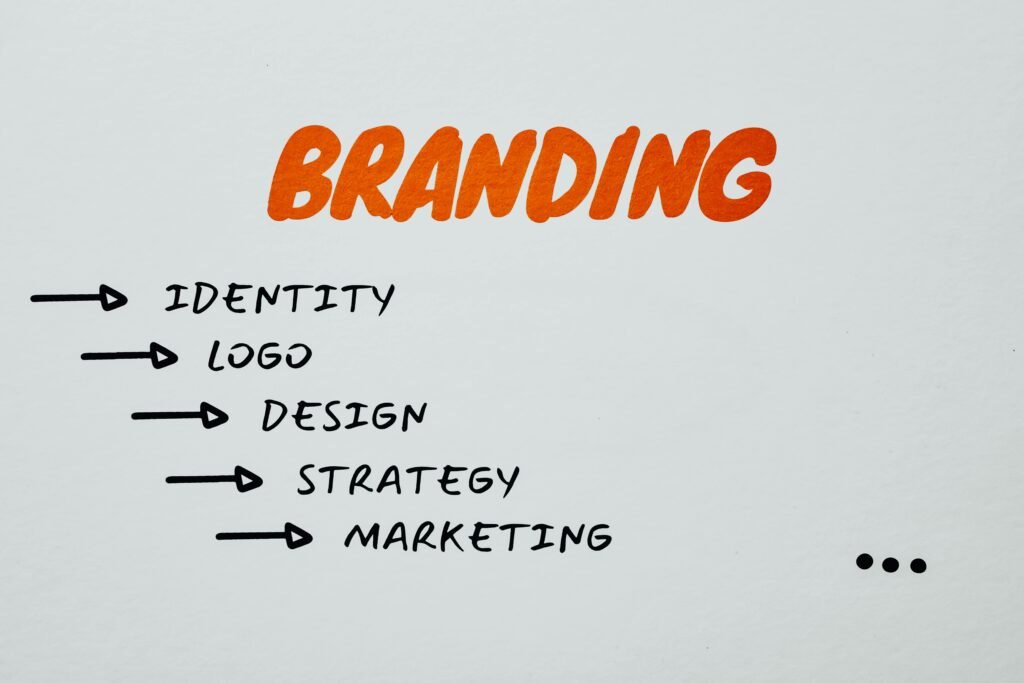
Your brand identity includes the visual and messaging elements that represent you online.
Some key components include:
Profile Photo
Use a clear and professional photo across all platforms. Consistency helps people recognize you.
Bio
Your bio should clearly explain who you are and what you do.
Example bio:
“Helping beginners learn blogging, AI tools, and digital skills.”
Brand Voice
Decide how you want to communicate with your audience.
Some creators use a professional tone, while others prefer a friendly conversational style.
Step 4: Choose the Right Platforms
You do not need to be active on every platform.
Instead, focus on platforms where your audience already spends time.
Some popular platforms include:
- LinkedIn – Best for professionals
- Twitter/X – Industry discussions and insights
- YouTube – Educational video content
- Instagram – Visual storytelling
- Blogs – In-depth educational content
For example, if you want to share detailed knowledge and tutorials, blogging is one of the best platforms.
Step 5: Start Creating Valuable Content
Content is the foundation of personal branding.
Your content should aim to:
- Educate
- Inspire
- Solve problems
Different types of content you can create include:
- Blog posts
- Tutorials
- Short tips
- Case studies
- Personal experiences
Consistency matters more than perfection. Even if your audience starts small, regular posting builds credibility.
Useful Post: How to Become a Blogger
Step 6: Share Your Knowledge and Experiences
Many people hesitate to share their knowledge because they feel they are not experts.
However, personal branding is not about perfection. It is about sharing your journey and experiences.
People often connect more with authentic stories than polished expertise.
You can share:
- Lessons you learned
- Mistakes you made
- Strategies that worked for you
- Industry insights
This kind of content helps build trust with your audience.
Step 7: Engage With Your Audience
Personal branding is not only about posting content. It also involves interacting with people.
Make sure to:
- Reply to comments
- Respond to messages
- Ask questions in your posts
- Encourage discussions
Engagement helps build stronger relationships with your audience and increases your online visibility.
Useful Post: How to Start a Blog
Step 8: Build Authority Through Consistency
Building a personal brand takes time.
Many successful creators spent years consistently sharing valuable content before seeing major results.
You can start with a simple schedule such as:
- 2–3 posts per week
- One blog article per week
- Short daily insights
Over time, your audience will begin to recognize your expertise.
Step 9: Collaborate With Others
Collaborations can help expand your reach.
You can collaborate with:
- Other bloggers
- Content creators
- Industry experts
- Podcast hosts
These partnerships introduce you to new audiences and increase your credibility.
Step 10: Track Your Growth and Improve
As your personal brand grows, it is important to analyze what works best.
Look at metrics like:
- Content engagement
- Website traffic
- Audience growth
- Shares and comments
This data helps you understand what type of content resonates most with your audience.
Then you can focus on creating more of that content.
Common Mistakes to Avoid
While building a personal brand online, avoid these mistakes:
Lack of Consistency
Posting once and disappearing for months slows your growth.
Copying Others
Learn from others, but always develop your own voice and perspective.
Ignoring Audience Feedback
Pay attention to what your audience enjoys and adapt your strategy.
Focusing Only on Promotion
If you constantly promote yourself without offering value, people may lose interest.
Long-Term Benefits of Personal Branding
A strong personal brand offers many long-term advantages.
These may include:
- Job opportunities
- Business partnerships
- Speaking invitations
- Online income streams
- Loyal followers
Over time, your personal brand becomes a valuable asset that supports your career growth.
Conclusion
Building a personal brand online is not about becoming famous overnight.
Instead, it is about consistently sharing knowledge, helping others, and building trust.
When you focus on providing value and staying authentic, your brand grows naturally.
Start small, stay consistent, and keep learning along the way.
Over time, your personal brand can become one of the most powerful tools for creating opportunities, building influence, and making a meaningful impact online.